There stands before you a blog post. It's a review of MRE Menu 5: Chicken Chunks, White, Cooked. Let's see what it says. The first four sentences have been erased by the elements, but the fifth sentence is easily legible. What does it say? "What does it say?" is what it says. The fifth sentence is "what does it say", and the eighth sentence is "I apologise".

I apologise. I was originally going to write this post in the style of a postmodern novel such as If On a Winter's Night a Traveller, but midway through the first paragraph I gave up because I'm not Latin American enough to do it convincingly.
The good thing about this decision is that you, dear reader, you continue to exist. You aren't a fictional construct, you're actually you. By rewinding time back to the age of modernism I've saved you from non-existence.

I wrote this post way in advance of publication, in this case December
2019. For the rest of my trip to Hong Kong I covered the Kowloon Walled
City Park
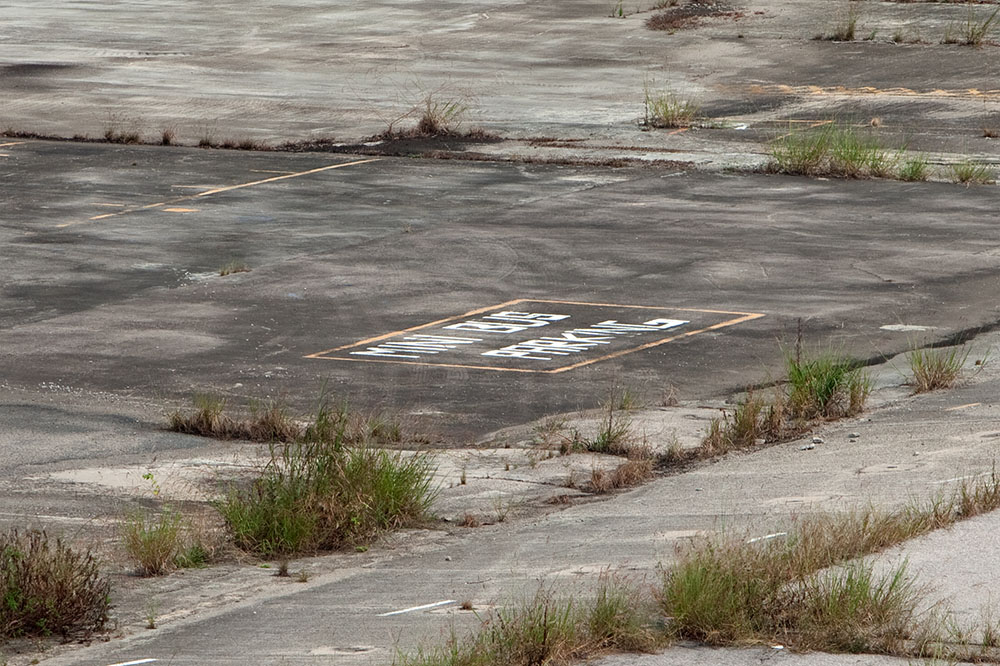
here, the site of the former Kai Tak airport
here, the flight (and the food)
here, and Shenzhen's Window of the World theme park
here. I didn't spend enough time in Hong Kong to write about Hong Kong
itself.
Hong Kong was in fact the reason I started trying out MREs. My plan was to do a lot of hiking, but I formulated that plan in the cold moist air of England in March. Hong Kong in October is much hotter and the air is like a warm blanket. My plan did not survive contact with the enemy, so I went off to the airport park at Kai Tak and had a picnic instead.
For the benefit of new readers an MRE is a "meal, ready to eat" developed for the US military. They were first fielded in the early 1980s and have been refined ever since. Each MRE is a single meal, and not for example a 24-hour ration pack. Despite a poor early reputation I have the impression that modern MREs are generally thought of as okay, although they tend to be sugary and doughy, and they would be monotonous after a while because the main meals have a similar taste.
MREs are designed to remain edible after sitting on a shelf for five years, perhaps longer if refrigerated. YouTube MRE celebrity Steve1989 has eaten preserved MREs from the early 1980s with no ill-effects, although as I write these words it has been a while since he uploaded any videos, so perhaps I speak too soon.
MREs aren't specifically intended as long-duration survival food or even for that matter hiking or outdoorsmanship, because they're too heavy and bulky. The US military also has a freeze-dried "meal, cold weather" (MCW) that's intended for Arctic environments and would be more suitable for hiking. But they are useful as novelties. Each MRE has a variety of food, and they're a fun morale boost.


It is, apparently, a giant shipping radar, and the hoop is just a
design element. Kai Tak's redevelopment has taken much longer than
expected, and it's interesting to compare the final design with
these early concepts, which had the dome cutting a hole through the arch.
I've written about Kai Tak's cruise terminal park before. Kai Tak's runway was built on a strip of land reclaimed from Hong Kong's bay, but the airport closed in 1998, and now it's a cruise liner terminal with a small park at the very tip. The park is just a patch of grass without much shade. The cruise liner terminal apparently offloads hundreds of thousands of passengers a year but when I was there it was deserted.
The park itself is awkward to reach. It's in an "MTR desert" where there aren't any tube stations - a local station is under construction, scheduled to open in 2020 - so I took a bus from Kowloon Tong that went on a scenic tour of eastern Kowloon before reaching the terminal. Apparently cruise liner passengers are put on dedicated shuttle buses.
EDIT: Since 2019 Kai Tak has changed enormously. Hong Kong finally got
into gear and built some tower blocks, and as of 2025 the park itself is
almost entirely gone, although the aircraft is still there. This is what the
location looked like in 2019, with the cruise terminal off in the distance:

And this is what it looks like in 2025:

On the positive side there aren't many places in Hong Kong where you can sit
down and rest your feet without being trampled or hit by a car, so the park
has that going for it. EDIT: Except that it doesn't exist any more, but humour
me.

As I sat alone on a bench a few hundred yards from a construction site munching on shelf-stable processed chicken I wondered where my life had gone wrong. It strikes me that the courses of our lives are set before birth and that's all there is. There isn't enough time to move up a tier and make it stick. The best you can do is give your children a boost, but one peculiarity of the modern age is that the older generation has actively destroyed the future of its children. From the point of view of the older generation of today children are a drain on resources rather than an investment. Their attitude makes sense on a rational level, because there is only the present, but the result is a surplus generation.
Older people were taught from an early age that they should marry and have children, but in middle age it dawned on them that there was no point. Death is the end, and what happens to the world after that is of no consequence, so what reason is there to pour resources into an investment that will only pay off when it is too late? That is why the surplus generation exists. We are all mistakes born of cultural inertia.
I can understand the thought processes of the older generation, but that doesn't mean I forgive them. Things will be far worse when I am old. There will be less sauce.

Why did I pick Menu 5? It's one of two MREs that are supposed to be eaten cold, so it doesn't have a flameless ration heater. I didn't have to strip it down before taking it on an airliner. British Airways' hazardous luggage guidelines implicitly allow the carriage of heaters in MREs, but why take that chance? The other flameless-less MRE is Menu 21: Tuna, which didn't impress me.
Menu 5 was however much better. It is, as mentioned, essentially just cooked chicken, but in the heat of Hong Kong it was nice to eat something moist, and the mixture of accessories was more interesting than the relatively bland load-out of the pizza MRE I wrote about last month. Let's try out the blue drink first:


It's apparently grape, with "natural and artificial flavor", but it tasted like one of those sugary ion-replacing smart water drinks. It's not bad, far better than the lemonade, perfectly drinkable. Let's dive into the main meal:


The chicken is mid-way in quality between canned cooked chicken and fresh cooked chicken. It has no real taste, but there was a lot of it. I made up two tortillas with chicken and the cheese spread, which tastes like compressed Mini Cheddars. This still left me with half of the chicken and all of the hot sauce. I didn't put it on the tortillas because it would have dribbled everywhere, so instead I just put everything into the bag along with the chicken and stirred it up:

Have you ever seen videos of hip replacement surgery? The resulting mess tasted much nicer than it looked, in fact it was excellent post-pub hangover food.
Menu 5's big problem from a civilian point of view is that it's easy to emulate or even surpass it with readily-available ingredients. However if you're a US serviceperson and someone else has hogged the MRE pizza you don't have to feel bad about having the chicken.


Let's wash it down with the lemonade drink:


Twenty fluid ounces is roughly half a litre, so as you can see I didn't use enough water. Even accounting for the extra sugaryness it was pretty poor. There was a lemonade drink in the Lithuanian MRE I reviewed earlier in the year, and that was bad as well, so perhaps lemonade just doesn't work in powdered form.
Let's wash the lemonade down with some nuts:

Or not. The nuts are just nuts. Plain unsalted nuts. Probably nutritious but in thirty-degree heat I didn't want to eat dry food, so I scattered the nuts about so that the birds might have them. This probably violated a bunch of local laws and may have led to an environmental crisis, for which I apologise. Of note my MRE was a 2018 menu. Apparently the 2019 version of Menu 5 replaces the nuts with teriyaki beef sticks, a fair exchange.
What else? I also saved the Reese's Pieces for later. They were Reese's Pieces, no better or worse than civilian Reese's Pieces. I also saved the First Strike bar. Here's a picture of another First Strike bar:

It's odd. Imagine a cereal bar mixed with sugary plastic. It's actually a lot nicer than it looks, but it's very dense and again not suited to hot weather environments. Given that the US army has spent most of the last half-century fighting in hot weather environments that might explain why MREs are not universally beloved. If only there was a way to put a cold beer in an MRE and keep it cold.


And that was MRE Menu 5: Chicken Chunks. It's okay. From a civilian perspective you could duplicate it with some cooked chicken, a dash of hot sauce, a couple of tortillas and some actual cheese. As actual outdoors food it was a lot more palatable than MRE pizza. The biggest problem really is anonymity, because it's hard to feel anything for cooked chicken.
Menu 5 is essentially just cooked chicken with some tortillas, but to
compensate you get lots of accessories. In addition to the chicken
there's hot sauce, cheese spread, a blue drink, a chewy First Strike
bar, a lemonade drink (instead of coffee), recovery trail mix, and
Reese's Pieces.
As I sat alone on a bench a few hundred yards from a construction site munching on shelf-stable processed chicken I wondered where my life had gone wrong. It strikes me that the courses of our lives are set before birth and that's all there is. There isn't enough time to move up a tier and make it stick. The best you can do is give your children a boost, but one peculiarity of the modern age is that the older generation has actively destroyed the future of its children. From the point of view of the older generation of today children are a drain on resources rather than an investment. Their attitude makes sense on a rational level, because there is only the present, but the result is a surplus generation.
Older people were taught from an early age that they should marry and have children, but in middle age it dawned on them that there was no point. Death is the end, and what happens to the world after that is of no consequence, so what reason is there to pour resources into an investment that will only pay off when it is too late? That is why the surplus generation exists. We are all mistakes born of cultural inertia.
I can understand the thought processes of the older generation, but that doesn't mean I forgive them. Things will be far worse when I am old. There will be less sauce.
The hot sauce packet is unusually large - it's not so much an
accompaniment as an integral part of the meal.
Why did I pick Menu 5? It's one of two MREs that are supposed to be eaten cold, so it doesn't have a flameless ration heater. I didn't have to strip it down before taking it on an airliner. British Airways' hazardous luggage guidelines implicitly allow the carriage of heaters in MREs, but why take that chance? The other flameless-less MRE is Menu 21: Tuna, which didn't impress me.
Menu 5 was however much better. It is, as mentioned, essentially just cooked chicken, but in the heat of Hong Kong it was nice to eat something moist, and the mixture of accessories was more interesting than the relatively bland load-out of the pizza MRE I wrote about last month. Let's try out the blue drink first:
It's apparently grape, with "natural and artificial flavor", but it tasted like one of those sugary ion-replacing smart water drinks. It's not bad, far better than the lemonade, perfectly drinkable. Let's dive into the main meal:
The tortillas have a great yeasty smell straight from the
packet, but they taste sugary and brittle - if you're a British reader
imagine a scone, crushed into the shape of a tortilla.
The chicken is mid-way in quality between canned cooked chicken and fresh cooked chicken. It has no real taste, but there was a lot of it. I made up two tortillas with chicken and the cheese spread, which tastes like compressed Mini Cheddars. This still left me with half of the chicken and all of the hot sauce. I didn't put it on the tortillas because it would have dribbled everywhere, so instead I just put everything into the bag along with the chicken and stirred it up:
Have you ever seen videos of hip replacement surgery? The resulting mess tasted much nicer than it looked, in fact it was excellent post-pub hangover food.
Menu 5's big problem from a civilian point of view is that it's easy to emulate or even surpass it with readily-available ingredients. However if you're a US serviceperson and someone else has hogged the MRE pizza you don't have to feel bad about having the chicken.
Let's wash it down with the lemonade drink:
Hang on, there's a chap. Exercising. I didn't notice him when I was
drinking the drink.
Twenty fluid ounces is roughly half a litre, so as you can see I didn't use enough water. Even accounting for the extra sugaryness it was pretty poor. There was a lemonade drink in the Lithuanian MRE I reviewed earlier in the year, and that was bad as well, so perhaps lemonade just doesn't work in powdered form.
Let's wash the lemonade down with some nuts:
Or not. The nuts are just nuts. Plain unsalted nuts. Probably nutritious but in thirty-degree heat I didn't want to eat dry food, so I scattered the nuts about so that the birds might have them. This probably violated a bunch of local laws and may have led to an environmental crisis, for which I apologise. Of note my MRE was a 2018 menu. Apparently the 2019 version of Menu 5 replaces the nuts with teriyaki beef sticks, a fair exchange.
What else? I also saved the Reese's Pieces for later. They were Reese's Pieces, no better or worse than civilian Reese's Pieces. I also saved the First Strike bar. Here's a picture of another First Strike bar:
It's odd. Imagine a cereal bar mixed with sugary plastic. It's actually a lot nicer than it looks, but it's very dense and again not suited to hot weather environments. Given that the US army has spent most of the last half-century fighting in hot weather environments that might explain why MREs are not universally beloved. If only there was a way to put a cold beer in an MRE and keep it cold.
And that was MRE Menu 5: Chicken Chunks. It's okay. From a civilian perspective you could duplicate it with some cooked chicken, a dash of hot sauce, a couple of tortillas and some actual cheese. As actual outdoors food it was a lot more palatable than MRE pizza. The biggest problem really is anonymity, because it's hard to feel anything for cooked chicken.